The Mechanics of a Perfect Sample
When id Software released Doom on 10 December 1993, it did so by uploading a single archive to an FTP server at the University of Wisconsin and inviting the internet to take it. What users received was Knee-Deep in the Dead — the complete first episode of nine levels — playable in full, with no time limit and no nag screen. Episodes two and three, The Shores of Hell and Inferno, required a mail-order purchase from id directly, at a price set by the studio.
The structure was precise by design. Episode one ended not with a wall but with a door: players who finished it had already invested hours in the game's mechanics, its atmosphere, and its hardware-pushing rendering. The natural next question was where to send the cheque. The shareware copy itself carried that answer — printed text in the game's own menus directed players to id Software's address in Mesquite, Texas.

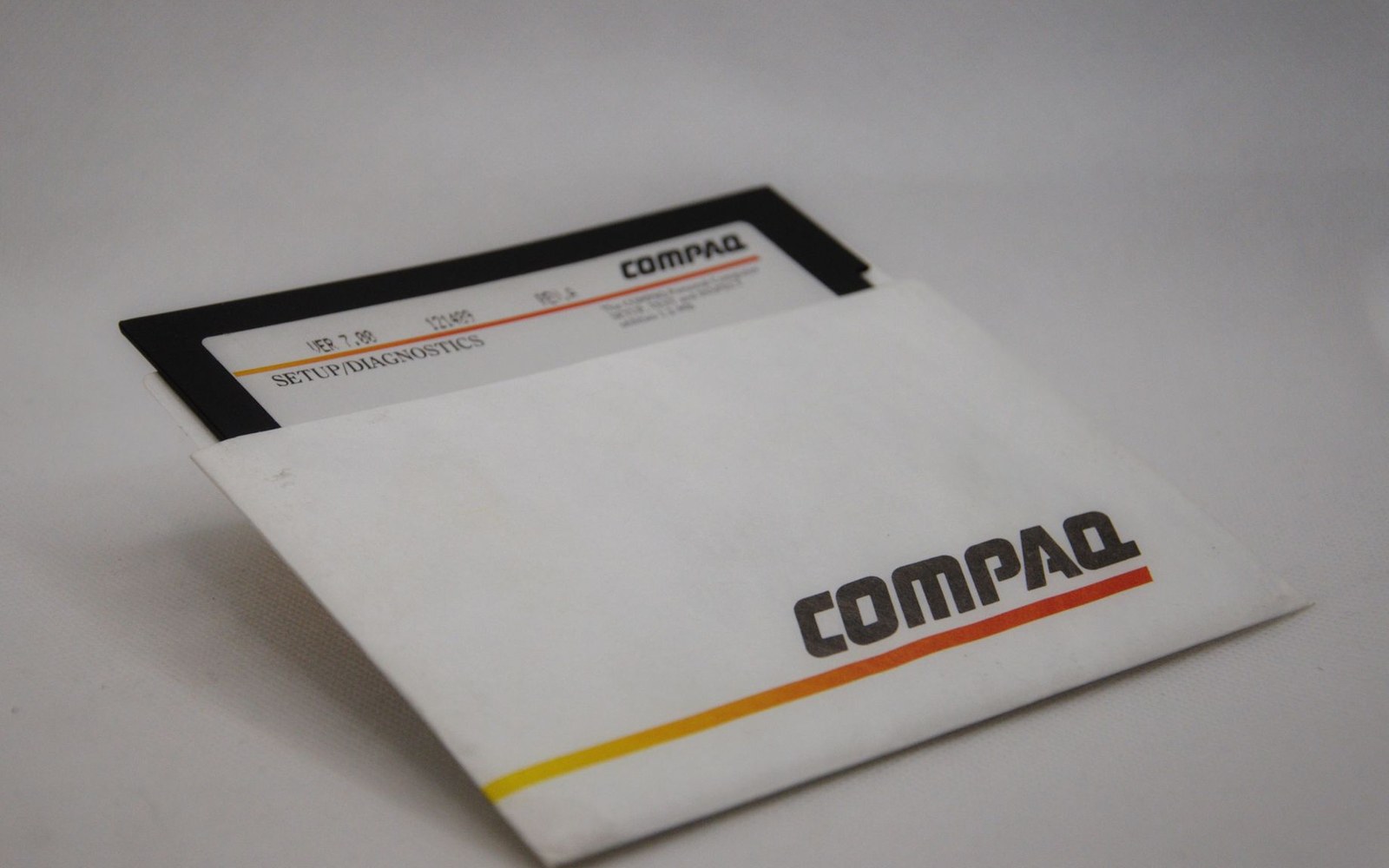
Distribution was handled entirely by the audience. Players copied the archive to floppy disks, uploaded it to bulletin board systems, and passed it between university workstations. SourceForge did not yet exist; GitHub was fifteen years away. The file moved because people moved it, and every copy was a legitimate one — id Software explicitly permitted free redistribution of the shareware episode, which removed any legal friction from the chain.
What It Settled
The model had precedents. id's own Wolfenstein 3D, released in 1992, had used a similar three-episode structure, as had Commander Keen before it. But Doom's scale of adoption turned a repeatable tactic into an industry template. Studios through the mid-1990s — Apogee Software, 3D Realms, Epic MegaGames — organised releases around the same logic: a freely distributable first episode priced at zero, with sequels monetised behind a direct purchase.
The arrangement also embedded an accountability mechanism that later shareware never quite matched. Because id controlled fulfilment directly, the studio received payment, contact details, and a sales signal in one transaction. The shareware episode was not a demo stripped of content; it was a complete unit of the game, and its completeness was the argument for buying the rest.
That precision — a full episode, freely copied, commercially continued — is why Doom's release structure is still cited when historians of freemium and open core models trace where the logic of 'give away the first part' actually came from.